Microbial Life in Soudan Mine
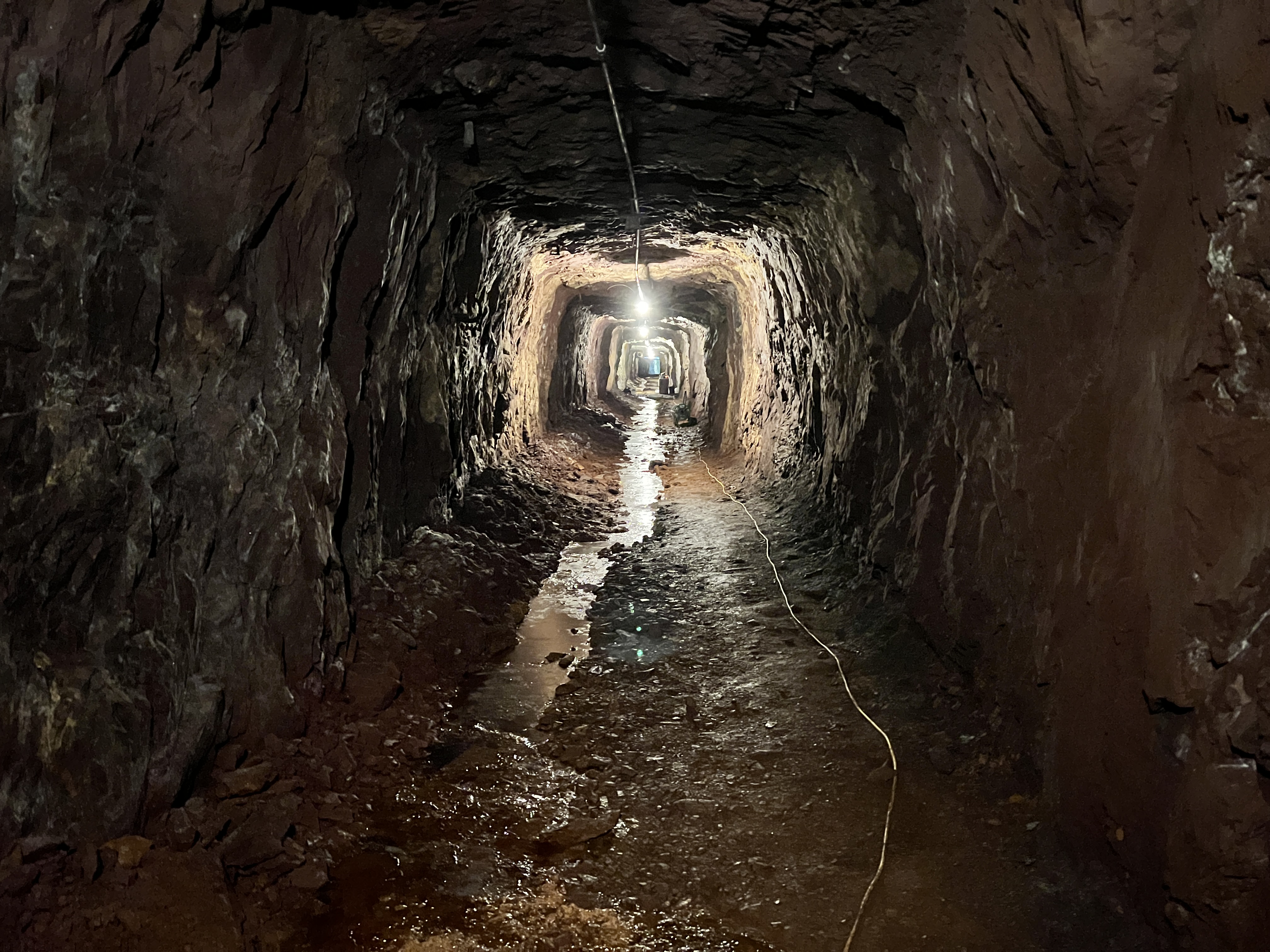 |
The terrestrial deep subsurface is thought to be one of Earth's largest ecosystems, holding an estimated 15% of global biomass, but getting access to these environments can be difficult. Soudan Mine Underground State Park, MN offers a unique window into the subterranean world, allowing us to travel 715 m below the Earth's surface and study microorganisms living in a 2.7 billion year old banded iron formation. Using metagenomic sequencing and bioinformatics, we characterize the taxonomic and metabolic diversity of the microbial community at this site to understand the role that deep subsurface microbes play in regulating globally important Earth system processes. Pairing these techniques with geochemical analyses gives us a more comprehensive understanding of biogeochemical cycling in these systems, and informs our understanding of how the Earth and life have co-evolved. |
Organosulfur cycling in the Deep Biosphere
| Organosulfur compounds (OrgS) are ubiquitous across Earth's surface and play important roles in marine and freshwater systems, but they have received little attention in subsurface environments. Through metagenomic investigations of microbial communities at Soudan Mine and across Earth's deep continental subsurface, we are finding that OrgS cycling may be just as critical in the deep biosphere. Pathways for production and breakdown of OrgS compounds are widespread, provide an important control on the overall sulfur flux of these systems, and may be central to fueling the microbial deep biosphere. |
Sulfur in Minnesota Waters
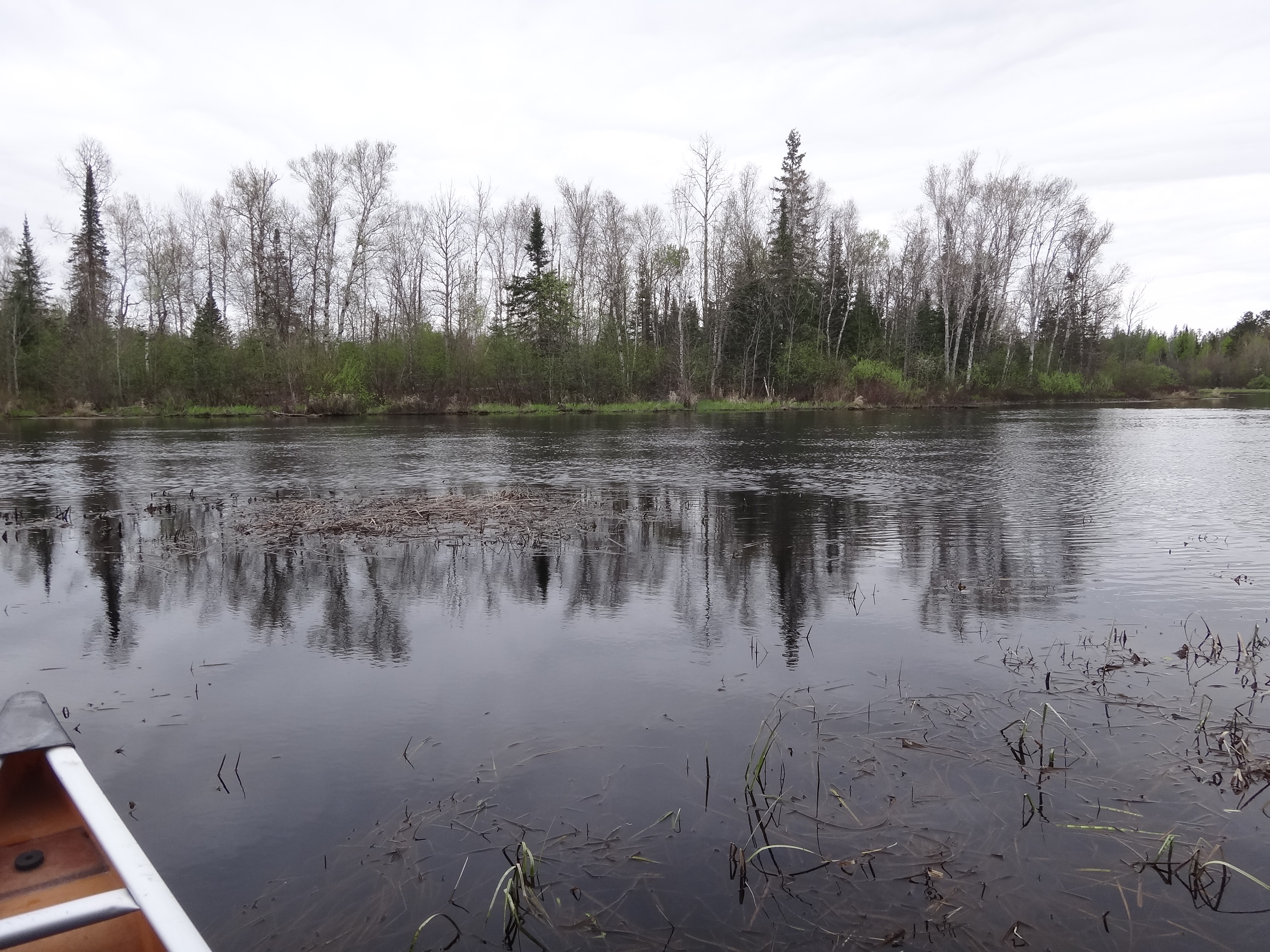 |
Excess accumulation of sulfur is a pressing concern in Minnesota where mining and other industrial activities have produced areas with very high sulfur concentrations in surface waters. This can inhibit the growth of Manoomin, or wild rice, a plant which is both culturally and ecologically important. To inform bioremediation strategies aimed to treat this water, I am using metagenomic analyses of S-contaminated water across Minnesota to consider how organosulfur might impact overall sulfur accumulation and control the availability of inorganic sulfur being remediated in these systems. This work is being funded by a Graduate Assistantship through the University of Minnesota Informatics Institute and Minnesota's Discovery, Research, and Innovation Economy. |